The DentalBrace
Clinic & Implant Centre
Treatment Snapshot
Dental braces are fixed orthodontic appliances that use brackets and wires to exert precise, continuous pressure to correct misaligned teeth and complex bite issues.
Why Patients Choose This
- • Metal and ceramic braces provide the ultimate mechanical control for correcting severe skeletal malocclusions.
- • Braces are a fixed appliance, meaning success does not rely on the patient remembering to wear them.
- • Ceramic braces offer a highly aesthetic, less noticeable alternative to traditional metal.
When To Consider Alternatives
Braces are not ideal for patients with extremely poor oral hygiene, as the brackets can trap plaque and cause rapid tooth decay.
Post-Treatment Maintenance
Dental braces require specialized brushing tools (interdental brushes) and strict avoidance of hard, sticky, or crunchy foods.
What is Dental Braces?
Traditional dental braces remain one of the most effective, reliable, and versatile methods for correcting complex orthodontic issues. The system consists of small brackets bonded to the front of the teeth, connected by an archwire that exerts precise, constant pressure to guide teeth into their ideal physiological positions. At The DentalBrace Clinic, Dr. Sandeep Kumar utilizes the latest advancements in bracket technology, moving far beyond the clunky braces of the past. We offer traditional metal braces (highly durable and cost-effective), ceramic braces (tooth-colored brackets that are much less noticeable), and advanced Self-Ligating Braces (like the Damon System, which uses a slide mechanism instead of elastics, reducing friction and potentially shortening treatment time). While clear aligners are popular, braces offer unparalleled 3D control over the roots of the teeth, making them the superior choice for severe skeletal malocclusions, impacted teeth, and complex bite corrections.
Signs You Need This Treatment
- ✓ Severe crowding or spacing
- ✓ Significant overbite, underbite, or crossbite
- ✓ Impacted or unerupted teeth
- ✓ Jaw pain or TMJ disorders caused by bad bite
- ✓ Difficulty chewing or speaking
Possible Limitations
- Requires dietary restrictions (no hard, sticky, or crunchy foods)
- More difficult to brush and floss around brackets
- Can cause temporary soft tissue irritation to the cheeks and lips
Ideal Candidate
Children, teenagers, and adults with complex bite issues, severe crowding, or patients who prefer a fixed appliance where compliance (remembering to wear it) is not an issue.
Not Recommended For
Patients with severe untreated gum disease or poor oral hygiene, as brackets can act as plaque traps and lead to rapid tooth decay if not cleaned properly.
Key Benefits
- Can correct the most complex, severe orthodontic cases
- Fixed appliance means zero reliance on patient compliance to wear them
- Highly predictable root movement and bite correction
- Cost-effective compared to clear aligners
- Ceramic options offer a highly aesthetic alternative
- Online video support for outstation patient queries between visits
Step-by-Step Process
Orthodontic Assessment
We take OPG & Lateral Cephalogram X-rays, 3D scans, and photographs to analyze your skeletal and dental structure.
Treatment Planning
Dr. Sandeep creates a precise biomechanical plan detailing how each tooth needs to move.
Bonding (Putting Braces On)
The teeth are cleaned, and brackets are carefully glued to the center of each tooth. The initial flexible archwire is placed.
Adjustments & Online Video Support
You will visit every 4-6 weeks for wire adjustments. Between visits, patients have access to online video consultations for wire checks, hygiene review, and emergency guidance.
Debonding & Retention
Once the bite is perfect, the braces are safely removed. You are fitted with custom retainers to prevent relapse.
Recovery & Expectations
Timeline: Expect dull aching and sensitivity for 3-5 days after the braces are initially placed, and for 1-2 days after each tightening appointment. Orthodontic wax can soothe cheek irritation.
Success Factors: Impeccable brushing and flossing routines, Strict adherence to dietary restrictions to avoid breaking brackets, Wearing elastics (rubber bands) exactly as instructed
When to Consult: Children should have their first orthodontic screening at age 7. Adults can seek consultation at any age if they desire straighter teeth or suffer from bite-related jaw pain.
Appointments: Regular adjustments are required every 4 to 6 weeks throughout the treatment duration, backed by online video consultations for intermediate questions.
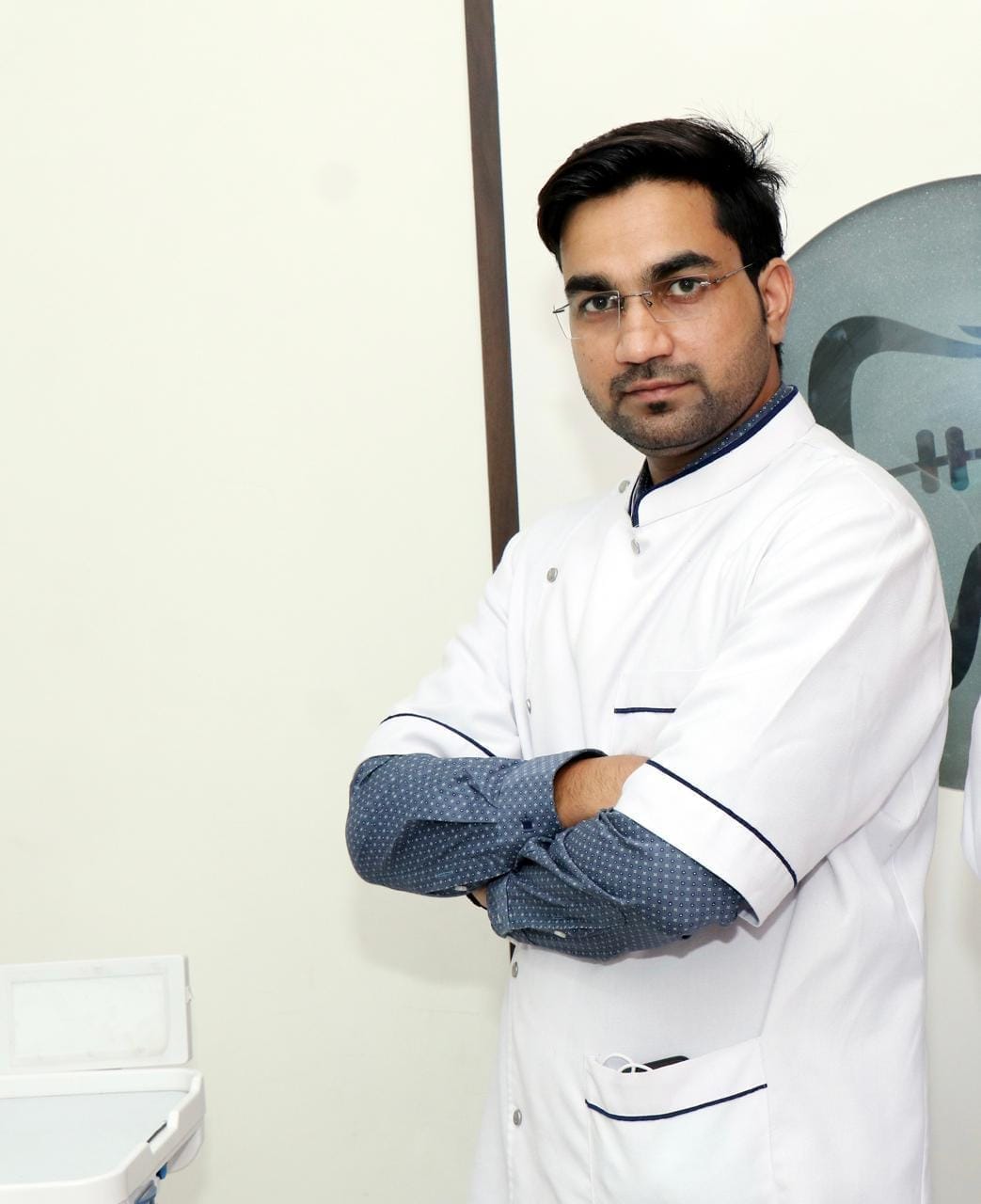
Do not let the fear of aesthetics deter you from braces. Modern ceramic braces are incredibly discreet. Furthermore, braces give me ultimate mechanical control to correct severe skeletal discrepancies that aligners sometimes struggle with.
Frequently Asked Questions
Do getting braces hurt?
The actual process of putting them on is completely painless. However, your teeth will feel tender and sore for about 3 to 5 days as they begin to move. This is manageable with soft foods and mild pain relievers.
Can I do consultations or emergency checks via online video call?
Yes. If a bracket feels loose, a wire is poking, or you are an outstation patient needing quick advice before your next scheduled visit, you can connect via a secure online video consultation with our team.
What foods must I avoid?
You must avoid hard foods (nuts, hard candy, ice), sticky foods (caramel, chewing gum), and foods that require biting with your front teeth (apples, corn on the cob—cut them into smaller pieces instead).
What are self-ligating braces?
Unlike traditional braces that use elastic ties to hold the wire in place, self-ligating braces have a built-in sliding door. This reduces friction, makes appointments faster, and is easier to keep clean.
Am I too old for braces?
Absolutely not! Teeth can move at any age as long as the gums and bone are healthy. About 25% of our orthodontic patients are adults.
Appointment & Treatment Logistics
Same-day OPG/Ceph X-rays and initial bracket placement possible. Online video pre-consultations available.
Monthly adjustments (every 4-6 weeks) required.
Regular adjustments in-clinic with online video consultation support for outstation queries.
Explore Related Care
Conditions Treated
Common Problems We Solve
- • Severe crookedness or crowding
- • Jaw pain from a bad bite
- • Teeth are sticking out (protruding)
Related Treatments
Treating Specialist
Orthodontist (Ex-AIIMS)
Clinical Technology
- Self-Ligating Brackets (Damon/SmartClip)
- Tooth-Colored Ceramic Brackets
- Heat-Activated NiTi Archwires
- Online Video Consultation & Triage Support